
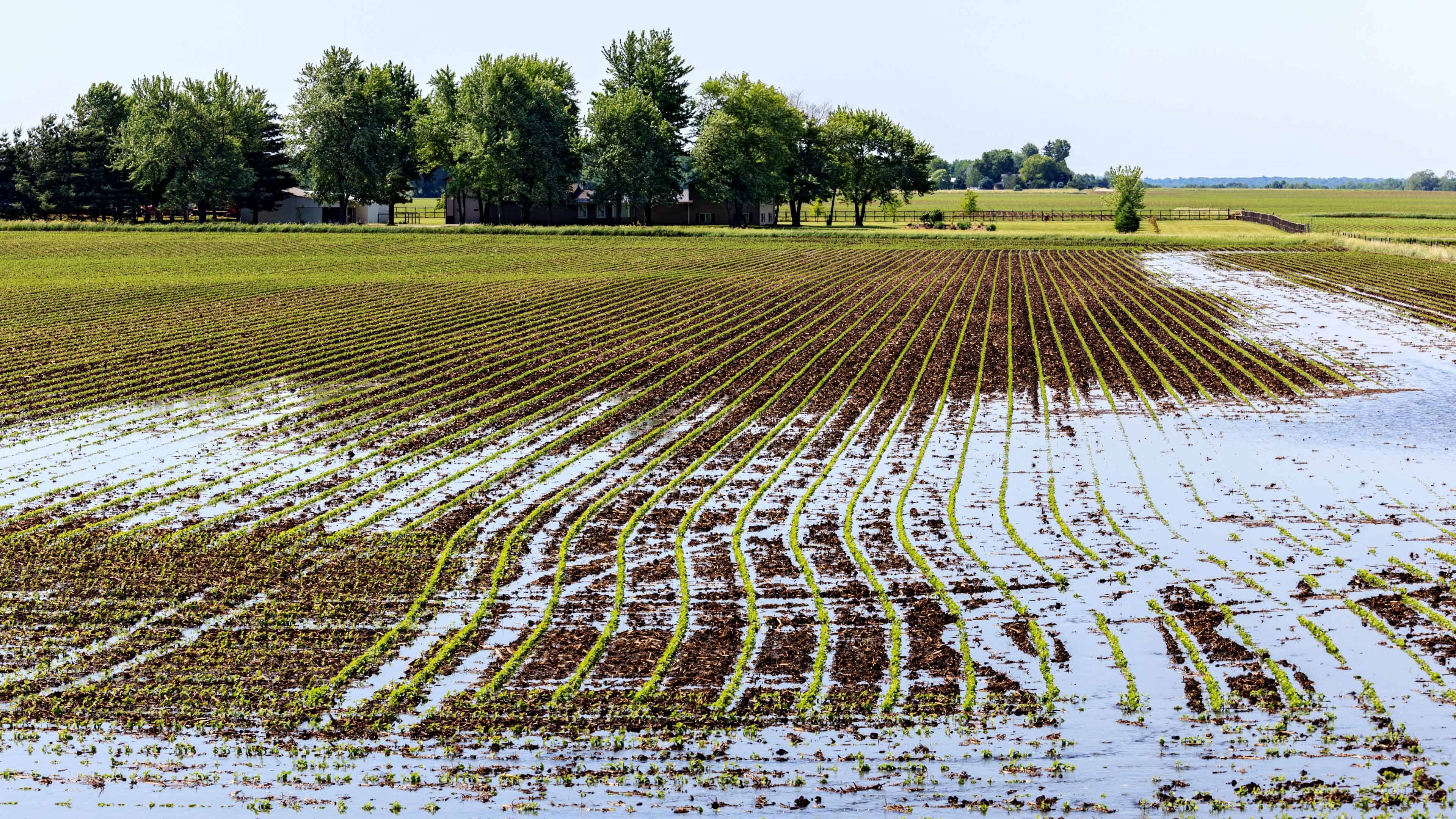
Spring rainfall is here and rural homeowners across much of the country are experiencing it in unprecedented amounts. Which means many of them are in search of pointers for harvesting or diverting it. For those living in arid regions, it’s been an absolute blessing. But, for those in soggier ones, or that lack municipal sewer systems and the like, it’s been anything but. No matter the camp you fall into, follow these pointers to better harvest and mitigate one of Mother Nature’s most precious resources.
The first thing to consider with rainfall is that it’s free. So, whether you’re farming or just tending to your backyard, why not have a system in place to catch the liquid gold? You never know when it will come in handy.
Rain Barrels
While there are sophisticated systems for catching water, rural property owners and backyard enthusiasts alike should consider using rain barrels to help harvest it. Among other water management tips, Country Living suggests using a traditional rain barrel. They’re constructed from a barrel with a hole in the top to allow water to flow in, that way you can then take water as needed from a spigot at the bottom. But, be sure to apply mesh to the top of the barrel to keep bugs—especially, mosquitoes—and debris out.
Soil Matters
In addition to collecting water, no matter how big your property, remember that soil matters. Ideally, you want any extra rainfall to end up in the soil not as runoff. The experts at PermacultureApprentice.com recommend that you’ll want to, “slow, spread and sink water as it falls from the sky.”
The “sink” they refer to, is sinking the water into the soil. From there, it can feed plants. And, any extra water can slowly meander across your property if it’s directed properly. But, for soil to absorb water, it needs to be healthy and rich in organic matter—such as fresh and decomposing plant matter, as well as small insects and living soil organisms. Increasing the soil’s organic matter—even just by a small percentage—can drastically improve its ability to hold water. Once the soil is saturated, proper landscape design can help direct any excess water to other parts of your property to keep it from running away. Find more water mitigation tips at https://permacultureapprentice.com/permaculture-water-management/.
Think Ecosystem
From your backyard to larger ranches and farmlands, the key to avoiding unnecessary runoff is to “ACT—Avoid, Control and Trap,” explains Kyle Wright, USDA Natural Resources Conservation Services water quality specialist for Texas. One way to control and trap water is to ensure your property contains adequate vegetation. In your backyard, plants can keep soil from running away. On farms and ranchlands, focus on prescribed grazing if you’re grazing cattle to avoid overburdening your land. This can also help to maintain adequate vegetative cover. A variety of ground cover is important to avoid erosion and help hold water in place. Likewise, Wright suggests healthy soil as a means of preventing runoff. But, healthy soil should be part of a healthy ecosystem in which the livestock, land and creeks are all work together, he says. Find additional tips on mitigating runoff and ensuring adequate vegetation at https://www.land.com/owning/land-ranch-water-management-guide/.
Build Resilience
Finally, another strategy rural residents and backyard enthusiasts alike can implement to deal with changing weather patterns is helping their gardens become more resilient. A time-tested rule is to consider using native plants, as they’re more accustomed to local soil conditions and rain levels.