Rain gardens are vegetated depressions in the ground that catch and allow reabsorption of rainwater. Native vegetation is an integral component of rain gardens, as native species are adapted to local soil and climate conditions. They function to absorb and evapotranspire water, while also filtering out pollutants.
Rain Garden Plant Selection
When selecting plants, there are a few aspects to consider to ensure that your rain garden thrives. You need to consider your climate, site-related height limitations, sunlight availability, soil conditions, wildlife pressure (i.e. will your location require deer-resistant species or fencing?), and of course, your own aesthetic interest. You also need to take into account the planting zones within your garden and the water conditions across these different zones. Most importantly, make sure to select vegetation that can handle the hydrology of rain gardens. Rain garden vegetation needs to be able to withstand times of inundation, as well as dry periods with very low moisture.
Planting Your Rain Garden
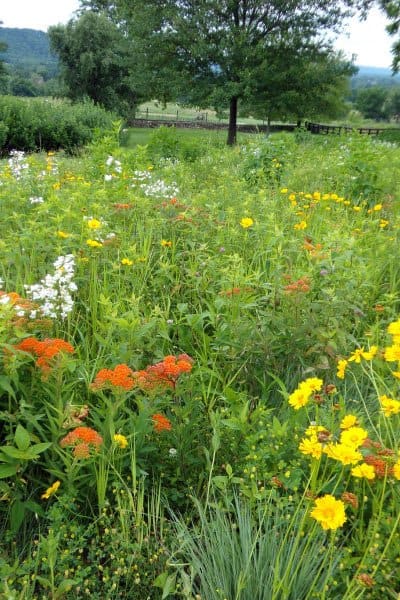
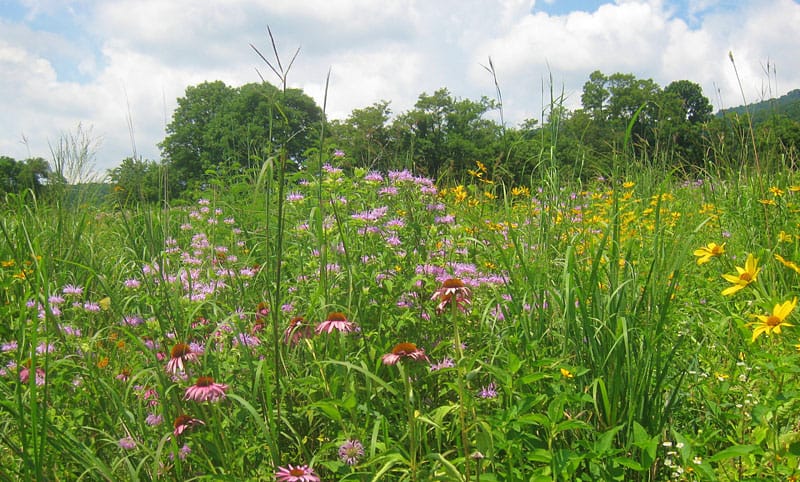
Rain garden planting can use potted plants or plugs, with a native seed mix. These mixes typically contain native grasses, flowers, and perennial forbs—including sedges and rushes. A rain garden seed mix may contain over a dozen different species, to maximize diversity and environmental and wildlife benefits.
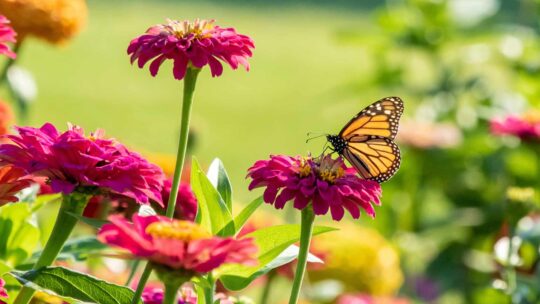
Consider including pollinator-friendly species, such as flowers preferred by bees and butterflies. And, make sure to select a native seed mix appropriate for your local region and climate. Seed mixes can be researched and purchased through conservation seed companies, such as Ernst Seed.
Make sure to plant your seed mixes alongside an annual cover crop—such as oat or rye—to protect the soil until the perennial seed mix establishes. And, when using a seed mix, it’s very beneficial to use a properly staked biodegradable erosion control blanket (soil matting), as the seed is light and floats. The blanket will hold the seed in place to ensure germination. It can take up to three growing seasons for a native seed mix to reach full maturity and establishment.
Maintenance
Once established, rain gardens planted with native vegetation are designed to require minimal maintenance. For the first year of establishment, weekly watering may be necessary. Additionally, routine and ongoing weeding and pruning are beneficial, preventing the overgrowth of weeds and invasive plants. Hand pulling is typically the best method of maintenance. Herbicide may be used as necessary, when hand pulling isn’t sufficient.
Mulching can help maintain moisture and prevent weed growth. If mulching, only utilize a triple shredded hardwood mulch, which is less prone to floating. The shreds knit together better than traditional bark mulch chunks (which float when flooded). Inspection of outlet structures is important, especially following big storms, to ensure the rain garden remains functional. Mowing maintenance is also important to keep grasses at a manageable and healthy height.
Rain gardens provide many amenities to your backyard, from environmental benefits and stormwater management, to wildlife, pollinator, and aesthetic benefits. Careful establishment, and proper on-going maintenance, will help ensure your rain garden thrives for years to come.