Exmark Z Turf Equipment Backyard Life
  • Skip to primary navigation
  • Skip to main content
  • Skip to primary sidebar

Exmark's Backyard Life

Living Happens Outdoors

  • Mowing
  • Outdoor Living
  • Lawn + Garden
  • Ambassadors
  • Originals
  • About Exmark
  • Subscribe to Backyard Life
Search
Home / Lawn + Garden /
Updated: Apr 8, 2026 | Posted: Apr 11, 2023

Naturalized Plants: What They Are, Why You Want Them & How to Grow Them

The term “naturalized plants” might seem a little too technical, but it’s actually a simple concept. Naturalized plants are species that aren’t native to your area but have adapted so successfully that they can live, thrive, and reproduce there on their own. The key qualifier: to be considered naturalized, a plant must be able to re-seed itself and produce what gardeners often call volunteer plants—new growth that returns year after year without replanting.

Are Naturalized Plants Good or Bad?

The honest answer is: both, depending on the species.

Some naturalized species are considered weeds that can take over a yard or damage a local ecosystem, while others are beloved garden staples. Here’s a quick breakdown:

Naturalized plants you’ll be happy to see:

  • Daffodils
  • Foxgloves
  • Coneflowers
  • Black-eyed Susans

Naturalized plants you’ll want to manage or avoid:

  • Dandelion
  • Creeping Charlie
  • Kudzu
  • English Ivy

The difference between a welcome naturalizer and a problematic weed often comes down to how aggressively the plant spreads and whether it outcompetes desirable plants or disrupts the surrounding environment.

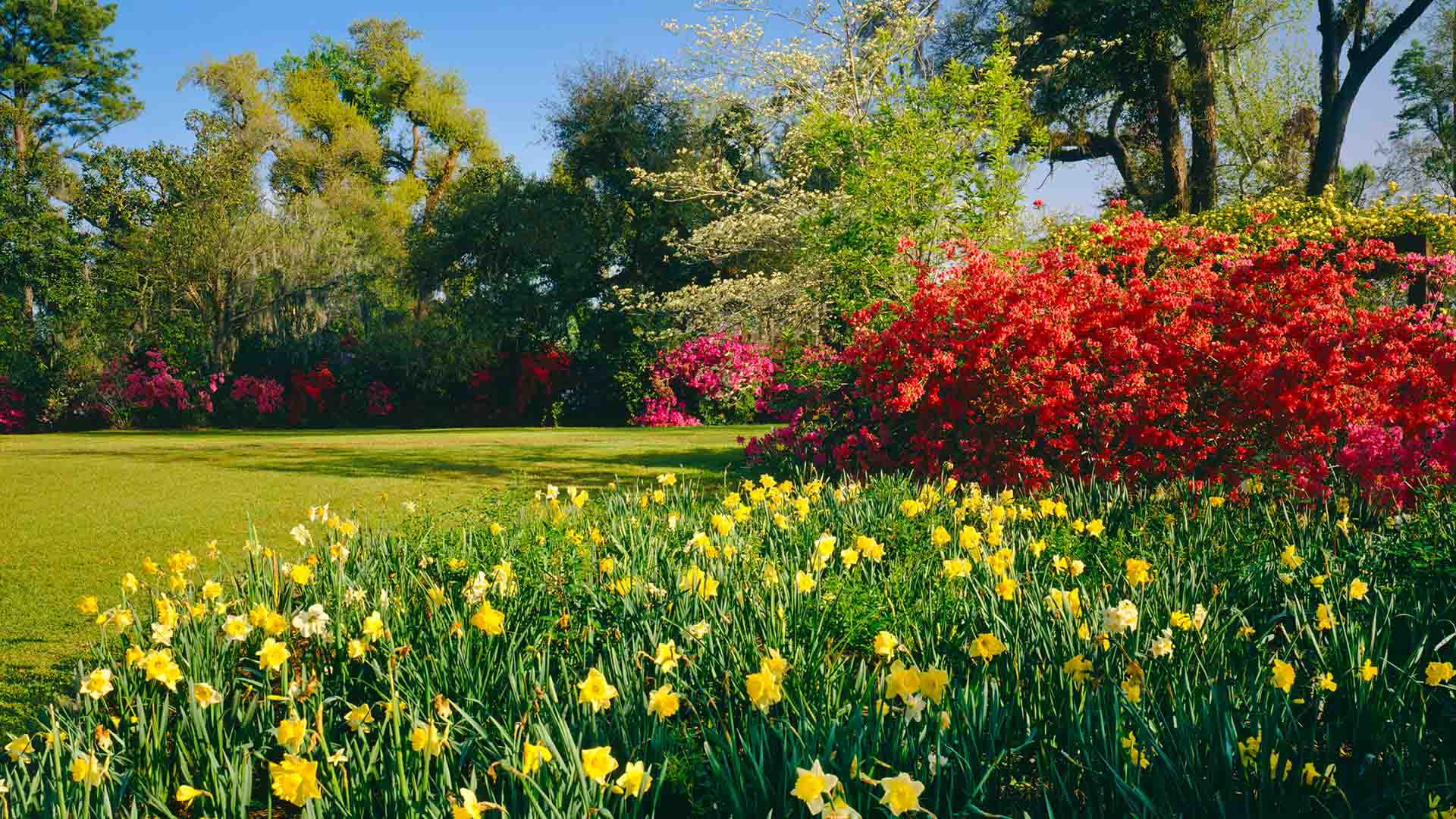
Daffodils in a field.

Why Naturalized Plants Are Great for Your Garden

Despite the mixed reputation, naturalized plants offer real and meaningful benefits for your outdoor space:

  • They support biodiversity. Because naturalized plants have adapted to your local environment, they can support native pollinators—bees, butterflies, and other beneficial insects—that depend on familiar plant structures for food and habitat.
  • They improve soil health. Many naturalized species develop deep or extensive root systems that help aerate the soil, reduce erosion, and improve water retention over time.
  • They’re low maintenance. Once established, naturalized plants largely take care of themselves—re-seeding season after season with minimal intervention from you.
  • They fill space beautifully. Naturalized plants are excellent at colonizing difficult areas like slopes, borders, and shaded spots where other plants struggle.

How do You Naturalize a Plant?

Here’s the good news: naturalizing a plant is mostly the plant’s job. Many of the naturalizing species available at your local nursery have already been vetted for your climate and growing conditions, meaning someone else has already done the hard work of figuring out what can thrive in your region.

Your role is simple:

  1. Choose a species suited to your environment. Look for annuals, perennials, or spring-blooming bulbs known to re-seed reliably in your area.
  2. Plant and tend it through its first season. Give it what it needs to establish: appropriate sunlight, water, and soil conditions.
  3. Let it do its thing. Once established, naturalized plants will re-seed on their own and return year after year.

Pro tip: Mulching can be a great help when you’re encouraging your naturalized plants to re-seed as it creates a weed barrier and lets the plant grow up undisturbed.

Where Should You Plant Naturalized Species?

The short answer? Anywhere they’ll have what they need to thrive.

The longer answer is that placement should be guided by a few practical considerations:

  • Pollinator gardens: If you’re building or expanding a pollinator garden, naturalizing species are a natural fit. Their ability to re-seed means your pollinator habitat gets richer and more established with every passing year.
  • Sunlight: Pay close attention to sun and shade patterns in your yard. Match the plant’s sun requirements to the actual conditions in your chosen spot.
  • Beds and borders: Many naturalizing species are ideal for existing garden beds and borders, where they fill in beautifully around other plantings.
  • Difficult or underused areas: Slopes, dry patches, shaded corners, and areas along fences or property lines are all excellent candidates. Naturalized plants are especially good at making something of spaces where other plants won’t cooperate.

Frequently Asked Questions About Naturalized Plants

A native plant is one that occurs naturally in a region without human introduction—it evolved there alongside local wildlife and ecosystems. A naturalized plant is non-native but has adapted well enough to survive, reproduce, and spread in a new environment. Native plants are generally considered more ecologically valuable, but many naturalized plants coexist productively with native species and support local pollinators.

No, and this is an important distinction. Invasive plants spread aggressively and cause measurable harm to native ecosystems, outcompeting native species for resources. Naturalized plants have adapted to their environment and can self-seed, but they don’t necessarily cause ecological damage. Not all naturalizers are invasive, though some invasive species (like kudzu and English ivy) do qualify as naturalized.

Yes, that’s the defining characteristic. Naturalized plants re-seed themselves, meaning new volunteer plants emerge each season without replanting. Perennial naturalizers also return from their root systems year after year.

Some can, particularly more aggressive species. Managing spread is as simple as monitoring the area, removing seedlings that stray too far, and choosing less vigorous naturalizers if you have a more formal garden layout. Starting with well-behaved species like daffodils or coneflowers is a good way to enjoy the benefits without worrying about runaway spread.

More Like This:

  • Front Yard Landscaping Ideas with Doug Scott
  • Why Use Native Plants?
  • How to Attract Hummingbirds to Your Backyard

By Exmark

Tags

gardengrowspringsummer

Primary Sidebar

Stay Connected

Keep living your best backyard life all year round. Get alerts on the latest Original Series updates, along with the inspiration and know-how you need to enjoy backyard life to the fullest!

Loading
More from Lawn + Garden
Ben Palmer of Grill This, Smoke That Reviews the Exmark Radius E-Series
10 Years of Done-In-A-Weekend Projects: A Look Back at a Decade of DIY Backyard Projects
The Benefits of Lawn Striping: Why It Makes Your Grass Healthier
Staff Picks
10 DIY Projects for Backyard Living
Deer Season Prep with Michael Waddell
5 Great Fire Pit Seating Ideas
Mosquito Control in Ponds and Backyards
Greg Mrvich’s Copycat Le Barchen Mac Wagyu Burger
  • Home
  • Mowing
  • Outdoor Living
  • Lawn + Garden
  • Ambassadors
  • Originals
  • Subscribe
  • Facebook
  • x
  • YouTube
  • Instagram
  • Tiktok

Copyright © 2026 EXMARK - Backyard Life

  • Privacy Policy
  • Terms of Use
  • DMCA

Trending